Four cities where retirees are putting down roots, and where investors are taking notice.
Most people don’t choose where they grow up, and most don’t fully choose where their career takes them either. But retirement is different. For many, it’s the first real chance to decide where to live based on nothing but what makes daily life good. That freedom is why retirees are increasingly choosing retirement abroad in Europe, drawn to neighbourhoods that actually suit how they want to live.
After decades of long commutes, packed calendars, and constant demands, what retirees want most is simplicity. A life where healthcare is easy to reach, errands don’t turn into a project, and neighbors become familiar faces. Once retirees find that, they tend to stay. According to the latest European Housing Trend Report from REMAX, housing satisfaction actually rises with age, with 84% of Baby Boomers reporting comfort with their living situation. That’s a rare kind of permanence in a property market, and it’s exactly what makes their choices worth watching closely.
In this fourth part of our Hidden Gems series, we look at four European cities where retirees are already settling in for good: Málaga, Victoria, Montpellier, and Graz. Here’s what makes each one work for retirees, and what it means for anyone thinking about a property there.
Find your city
Which retirement city matches your lifestyle?
What is your ideal daily pace?
Málaga: A Place to Settle, Not Just Visit
Málaga has long drawn retirees to Spain’s Mediterranean coast, offering sun, sea, and cultural heritage without sacrificing modern comforts. Unlike many of Spain’s seasonal resort towns, Málaga is one of the most established destinations for retirement abroad in Europe — a true year-round city, with a permanent population that keeps local services, transport, and amenities running steadily throughout the year rather than only in peak season. That kind of permanence matters for retirees who are here to stay, not just passing through for a season.
Owning a home is one of the clearest signs of that intention to stay, and Spain’s numbers reflect it. According to the Housing Trend Report, homeownership in Spain sits well above the European average, at 70% compared to 63% across the continent. In a city like Málaga, where much of the demand comes from retirees and international buyers here for the long term, that points to a market built on genuine commitment rather than short-stay tourism. For investors, that mix of a stable, ownership-oriented population and sustained international interest means properties that are more likely to hold value over time.

Victoria: Familiarity by Design
Victoria’s appeal for retirees naturally starts with a mild climate and low crime rate, but that’s not the whole story. As the historic capital of Gozo, Malta’s quieter sister island, Victoria offers a slower pace than the main island’s busier harbor towns, with historic sites and local markets that give daily life real character. What makes Malta a lasting choice for retirees is familiarity: a well-established expat community, a UK-aligned legal system, an English-speaking environment, and accessible healthcare all make daily life easier. Even the practical side of moving abroad, like paperwork, banking, or everyday errands, feels less like starting over and more like picking up where they left off.
That familiarity is backed by scale. According to the Housing Trend Report, renters across Malta place the highest value in Europe on the flexibility to relocate, a reflection of just how large and well established the country’s international community already is. For retirees weighing a move to a town like Victoria, that means an existing, thriving network of fellow expats to plug into, rather than a handful of scattered newcomers. For investors, that same scale points to steady, lasting rental demand from an international population that keeps renewing itself.

Montpellier: Sunshine Without the Steep Price
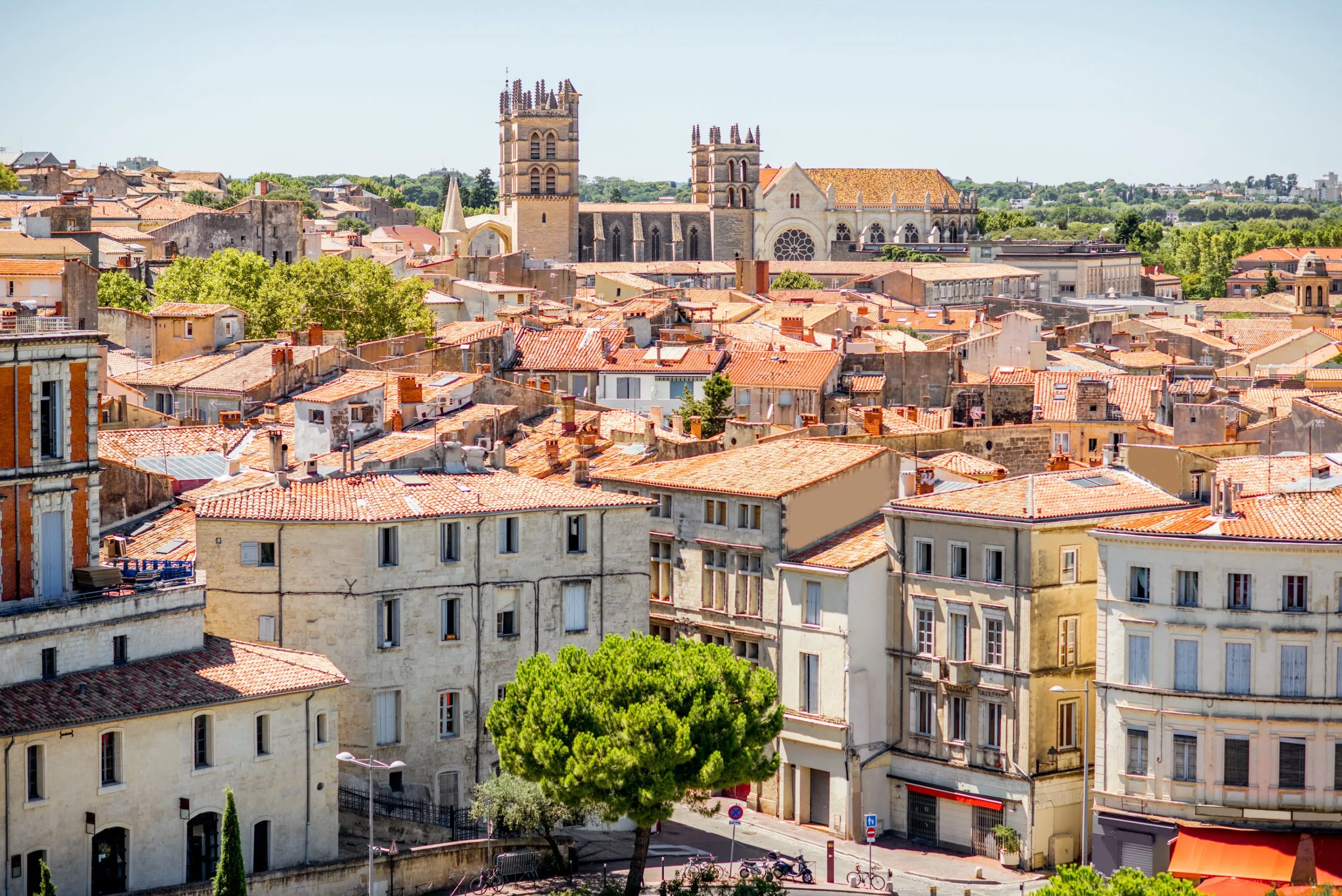
Montpellier offers what many retirees look for on the French coast, without the price tag that usually comes with it. Mediterranean warmth, a walkable historic center, and an easy tram network make daily life simple, while nearby beaches, vineyards, and centuries of history give the city real depth beyond its climate. With around 2,680 hours of sunshine a year, it holds its own against pricier destinations like Nice, at a noticeably lower cost of entry. High-speed rail connects Montpellier to Barcelona, Lyon, and Paris, keeping the rest of Europe within easy reach for family visits and weekend travel.
The data backs up what daily life in Montpellier already suggests. According to the Housing Trend Report, housing satisfaction in France runs higher than the European average, at 79%, and just 17% of French residents say they’d consider moving abroad for a better quality of life, which is almost half of the European average. For investors, it all points to a market built on people choosing to stay rather than pass through, translating into consistent, needs-driven demand rather than short-term rental cycles.
Graz: Where Life Runs Smoothly
Graz earns its appeal the quiet way, through how well the city functions day to day. As Austria’s second-largest city, it offers strong public services, a long-standing focus on sustainability, and a high standard of everyday living, all of which make it attractive to those prioritizing comfort, green space, and community. Cobblestone streets, riverside parks, and a vibrant café scene give residents space to relax, while local cultural festivals and historic architecture provide everyday charm without the stress of a big city.
Austrians also tend to stay put. According to the Housing Trend Report, just 15% expect to move within the next year, lower than the European average. Graz adds a practical edge to that commitment: house prices here run about 28% below Vienna’s, giving retirees and downsizers a real cost advantage without leaving the country’s high standard of living behind. Together, low national turnover and local affordability create a base of renters looking for stability, not short stays.

Turning Insight into Action
Retirees rarely make a move lightly, and they almost never make it twice. For anyone considering that move, these four cities show what a good retirement abroad can actually look like. For investors, that same staying power is what makes retirees such a stable force in a property market: once they settle somewhere, they stay long enough to shape a neighborhood’s character and its rental demand for years. Málaga, Victoria, Montpellier, and Graz are early proof of where that pattern is playing out now, in places with room left to grow rather than markets already at capacity. Whether you're planning your own retirement abroad in Europe or watching where to invest, a local REMAX agent can help turn these insights into a clear plan.
Curious to see what’s out there? Connect with a local REMAX agent to explore your options.
This is the fourth installment of our Hidden Gems series exploring overlooked markets. Earlier entries covered Europe’s fastest-growing cities, its emerging tourism markets, and the cities where digital nomads are choosing to stay.
For a deeper look at Europe’s housing trends, download the REMAX European Housing Trend Report 2025.